
L-Carnitine L-Tartrate (LCLT)
| Other Name | L-Carnitine L-Tartrate (LCLT) |
|---|---|
| CAS No | 36687-82-8 |
| EC No | N/A |
| H.S Code | 29224990 |
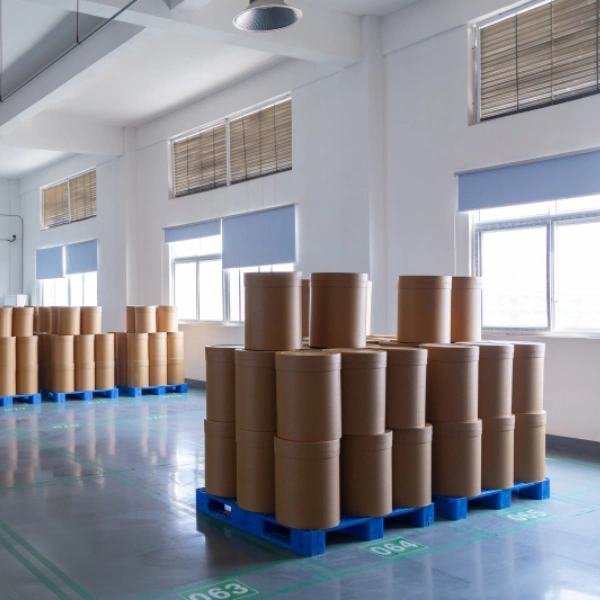
| Packing | 25KG fiber drums |
| MOQ | 200 KG |
| Origin | China |
What is L-Carnitine L-Tartrate (LCLT)?
L-Carnitine L-Tartrate (LCLT) is a highly bioavailable and stable form of L-Carnitine, produced by combining L-Carnitine with L-Tartaric Acid. It is widely used in sports nutrition, dietary supplements, functional foods and beverages due to its excellent stability, high purity, and rapid absorption.
L-Carnitine supports energy metabolism by facilitating transport of long-chain fatty acids into mitochondria for β-oxidation, improving fat utilization and supporting recovery and endurance.
Typical specifications
| Test Items | Specification |
|---|---|
| Appearance | White crystalline powder |
| Specific Rotation | -11° ~ -9.5° |
| pH | 3.0 ~ 4.5 |
| Loss on Drying | ≤ 0.5% |
| Residue on Ignition | ≤ 0.5% |
| Arsenic | ≤ 1 ppm |
| Lead (Pb) | ≤ 2 ppm |
| Cadmium (Cd) | ≤ 1 ppm |
| Aerobic Plate Count | ≤ 100 CFU/g |
| Coliform Bacteria | ≤ 100 CFU/g |
| Yeast & Mold | ≤ 100 CFU/g |
| Salmonella | Negative (25 g) |
| E. coli | ≤ 30 CFU/g |
| Assay (L-Carnitine) | 67.2% – 69.2% |
| Assay (L-Tartaric Acid) | 30.8% – 32.8% |
Applications
- Sports Nutrition: Commonly used in pre- and post-workout supplements to enhance energy utilization, endurance, and muscle recovery.
- Dietary Supplements: Formulated into capsules, tablets, and powders to support weight management, fat metabolism, and overall vitality.
- Functional Foods & Beverages: Added to health drinks, protein shakes, and energy bars for improved performance and metabolism support.
- Pharmaceutical Formulations: Used as an active ingredient in formulations promoting energy metabolism and cardiovascular health.
- Animal Nutrition: Applied in high-value feed formulations to improve energy efficiency and support animal growth and performance.
Packaging & storage
- Packing: 25 kg fiber drums with polyethylene liner, or 25 kg kraft bags, shipped on pallets for bulk orders.
- Storage: Keep in a cool, dry, well‑ventilated area, protected from direct sunlight and moisture. Avoid high humidity to prevent caking or quality loss.
- Handling & contamination: Store away from strong odors, acids/alkalis and other reactive or odorous chemicals. Use clean, dry equipment to avoid contamination.
- Shelf life & quality: Keep packaging sealed until use and follow the supplier's recommended shelf life and quality instructions (refer to TDS/COA).